
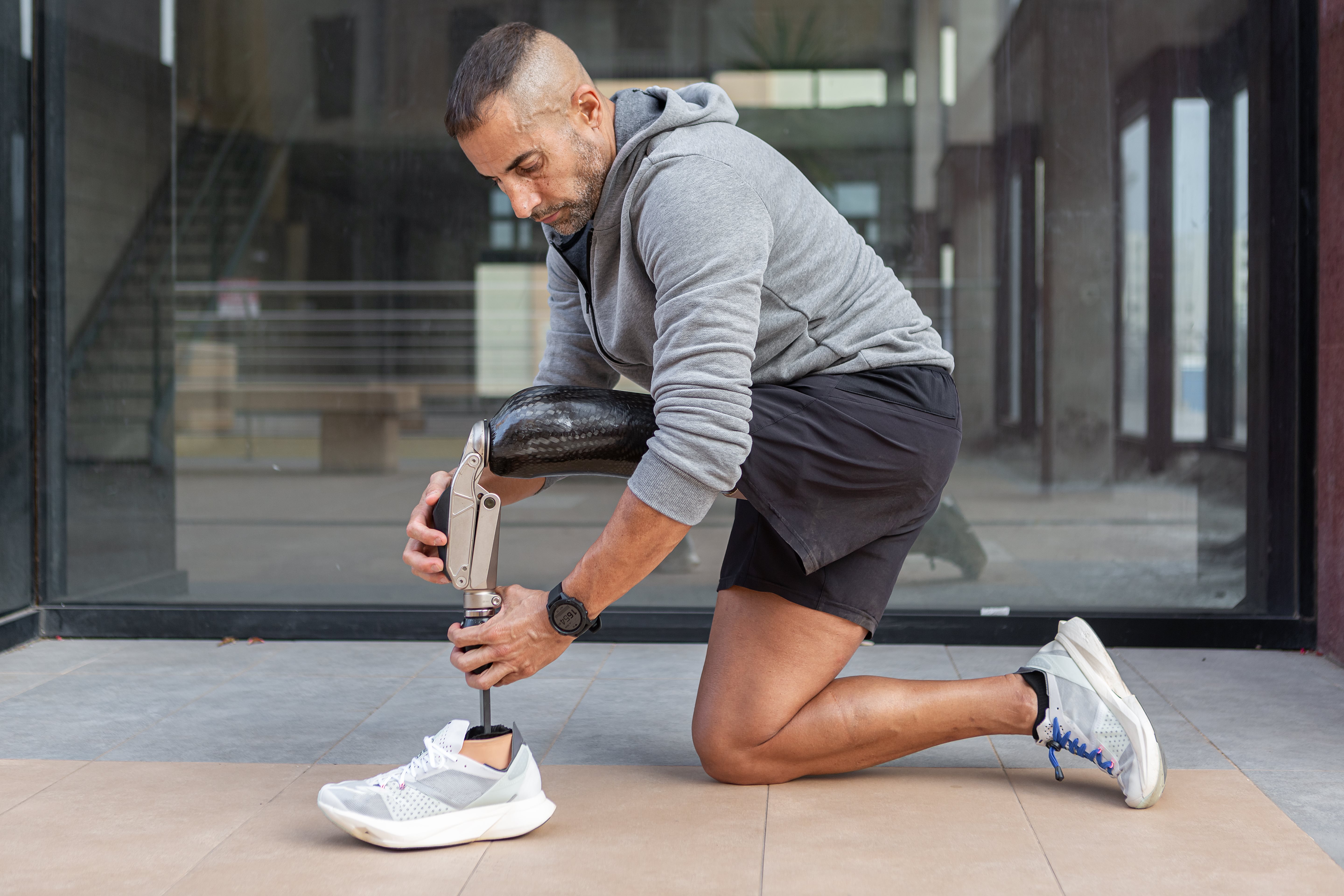
How Heat and Humidity Affect Prosthetic Fit in North Carolina
April 29, 2026
Living in coastal North Carolina means enjoying beautiful weather, time outdoors, and long warm seasons. But for prosthetic users, the heat and humidity that come with life in Wilmington, Whiteville, Shallotte, and the surrounding areas can also create some unique challenges.
At Atlantic Coast Prosthetics and Orthotics, one of the most common seasonal concerns we hear from patients is this: “Why does my prosthesis fit differently when it gets hot outside?”
The answer is simple: heat and humidity can have a significant effect on how your residual limb feels and how your prosthetic socket fits throughout the day. Because comfort and proper fit are so important to mobility, it helps to understand why these changes happen and what you can do about them.
Why warm weather changes prosthetic fit
Your body naturally responds to heat by retaining or shifting fluid, which can cause your residual limb to swell slightly. Even a small amount of swelling can change how your prosthetic socket fits.
Since prosthetic sockets are designed to fit closely and securely, minor changes in limb volume can quickly lead to discomfort.
In hot and humid North Carolina weather, you may notice that your socket feels tighter than usual, especially after spending time outdoors, exercising, or simply being active during the day.
For some patients, the opposite can happen as swelling decreases later in the evening, making the socket feel looser than it did earlier.
These changes are completely normal, but they can affect comfort, stability, and overall confidence while walking.
The role of humidity and perspiration
Humidity adds another layer to the issue.
In southeastern North Carolina, summer air often holds a lot of moisture. When the body sweats, that moisture does not evaporate as quickly as it would in a drier climate.
For prosthetic users, this can lead to excess perspiration inside the socket.
Sweat buildup can cause several problems, including:
- skin irritation
- friction and rubbing
- liner slippage
- discomfort while walking
- increased risk of sores or blisters
When sweat causes the liner or socket to shift, even slightly, it can create pressure points that were not there before. This is one reason patients often notice more discomfort during the warmer months.
How heat affects orthotic devices too
Heat and humidity do not only affect prostheses. Patients who wear braces, custom orthotics, compression garments, or therapeutic footwear may also experience discomfort during North Carolina summers.
Swelling in the feet, ankles, or legs can make braces feel tighter and less comfortable.
For patients with diabetic footwear or custom inserts, increased sweating may also contribute to friction, skin breakdown, or hotspots. That’s why regular fit checks are just as important for orthotic patients as they are for prosthetic users.
Signs your device may need adjustment
It is important to pay attention to changes in fit, especially during the hottest months of the year.
Some signs that your prosthetic or orthotic device may need an adjustment include:
- increased redness after wearing
- pain or pressure points
- skin irritation
- slipping or movement inside the socket
- difficulty walking comfortably
- changes in alignment or balance
- swelling that affects wear time
If something feels different, it is always worth having it checked. A small adjustment made early can prevent a much bigger issue later.
Tips for managing fit during hot weather
The good news is that there are practical ways to manage prosthetic fit during periods of heat and humidity.
Monitor limb volume changes
Pay attention to how your residual limb feels at different times of the day. Tracking these patterns can help your practitioner make more accurate adjustments.
Stay hydrated
It may sound surprising, but proper hydration can actually help regulate fluid retention. When the body becomes dehydrated, it may hold onto fluid more aggressively, which may contribute to swelling. Drinking enough water throughout the day can help minimize this issue.
Keep your liner clean and dry
Sweat and moisture trapped inside a liner can quickly irritate the skin. Clean your liner daily according to your practitioner’s instructions and make sure it is completely dry before wearing it again. Some patients also benefit from moisture-wicking prosthetic socks or skin-safe antiperspirant products recommended by their provider.
Avoid prolonged heat exposure
Spending long periods outdoors in direct heat can increase swelling. If possible, take breaks indoors, sit in air conditioning, and raise your limb when resting.
Schedule a summer fit check
Sometimes seasonal changes call for minor socket adjustments, padding changes, or liner replacements. A quick appointment can make a major difference in comfort.
Here When You Need Us Most
At Atlantic Coast Prosthetics and Orthotics, we know how quickly North Carolina’s heat and humidity can affect the fit and comfort of your prosthetic or orthotic device. That’s why fast, local service matters.
With decades of experience serving Wilmington, Whiteville, Shallotte, and surrounding communities, our team provides personalized care designed to keep you moving safely and comfortably. Because we create 98% of our devices in-house, most adjustments can be made quickly, so you spend less time waiting and more time living comfortably.
We also offer same-day appointments and convenient in-home services throughout southeastern North Carolina, making it easier to get the support you need when fit issues arise unexpectedly.
Whether you need a quick adjustment, a new liner, a full fit evaluation, or mobile service at home, our experienced practitioners are here to help. If your device has been feeling different in the heat, don’t wait for discomfort to worsen. Contact Atlantic Coast Prosthetics and Orthotics today to schedule your adjustment or in-home visit.