
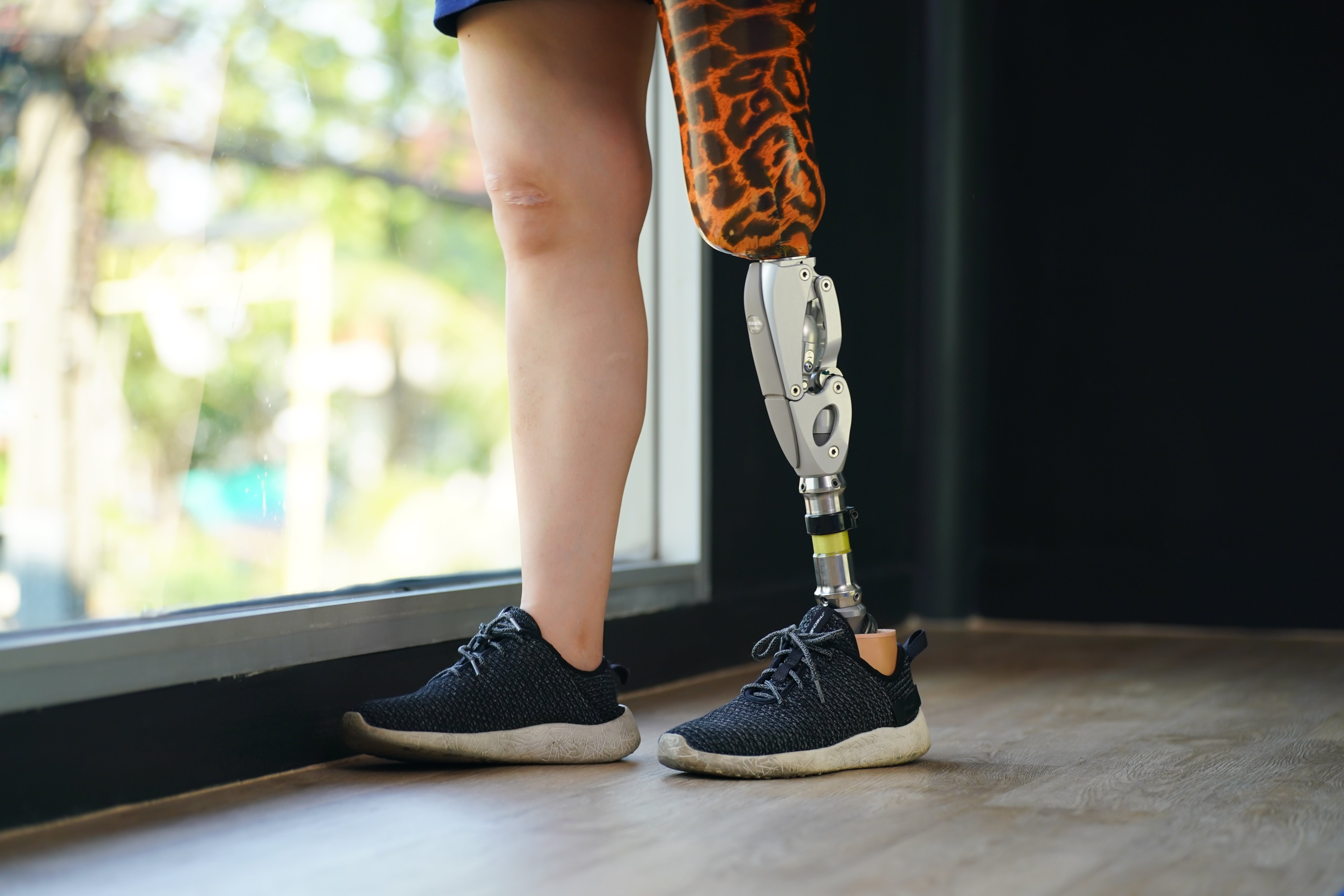
How Cold Weather and Dry Skin Can Affect Those With a Prosthesis
April 13, 2026
Winter in Southeastern North Carolina might not bring blizzards, but the drop in temperature and humidity still creates real challenges for prosthetic users. After more than 27 years working with patients at Atlantic Coast Prosthetics and Orthotics, we've learned that even mild winters can cause issues.
What Happens to Your Residual Limb When It Gets Cold
Your body responds to cold by constricting blood vessels as it's trying to keep your core warm. For prosthetic users, though, this means less blood flow to your residual limb, and that can change its volume. We're not talking about dramatic shrinkage, but even a quarter-inch difference is enough to turn a snug, secure fit into something that shifts around or creates pressure points where you don't want them.
The cold can also make your joints and muscles stiffer. You might not notice you're walking differently, but your body does, and over time, those small compensations can lead to soreness or throw off your prosthetic alignment.
Dry Skin Problems
Between the heaters running indoors and the cold, dry air outside, your skin doesn't stand a chance. For people wearing a prosthesis, this isn't just uncomfortable; it's a genuine concern.
Dry skin cracks. Those cracks can become entry points for infection, especially where your socket makes contact dozens of times throughout the day. Beyond that, some prosthetic suspension systems rely on your skin having a certain texture and moisture level. When your skin gets too dry, the whole system can feel less stable, almost like it's not gripping the way it should.
Your Prosthesis Doesn't Love Winter Either
Prosthetic materials react to temperature changes just like anything else. Liners can get stiffer in the cold, which means your morning routine might feel different than it did in warmer months. The fit changes temporarily until everything warms up to body temperature.
Then there's the moisture issue, which sounds counterintuitive in winter. You're probably sweating less overall, but think about what happens when you come inside from the cold: condensation forms everywhere, including inside your socket. That moisture sits against your skin, irritates it, and breaks down your liner faster than normal wear would.
What Works for Winter Prosthetic Care
The basics matter more than fancy solutions. Moisturize every night with whatever your prosthetist recommends: not right before you put on your prosthesis in the morning, because it needs time to absorb properly. Keep your residual limb warm without overdoing it (overheating causes its own problems). And honestly, don't skip your check-ins just because "it's not that bad yet."
We make 98% of our devices right here in our own lab across our Wilmington, Whiteville, and Shallotte locations. That means when you need an adjustment, we're not shipping your prosthesis off somewhere for three weeks. Small tweaks now prevent bigger headaches later.
When You Should Call Us
If your prosthesis stops feeling right, if you're seeing redness or irritation that won't go away, or if you're having trouble wearing it for your normal amount of time, those are signs something needs attention. Your body is pretty good at telling you when things are off. Listen to it.
Between good skin care habits, some common-sense adjustments, and working with people who know what they're doing, you can stay active straight through to spring.
Got questions about how your prosthesis is handling the cold? Need something adjusted? Contact Atlantic Coast Prosthetics and Orthotics. We've been doing this long enough to have seen just about every winter challenge there is, and we're here to help you work through it.