
Patellofemoral Pain in Teenagers: Why It Happens and What to Do
April 13, 2026
If you have a teenager who’s active in sports, or one who’s simply going through a major growth spurt, you may have heard them complain about pain “behind the kneecap.” This common condition is known as patellofemoral pain syndrome (PFPS), and it affects a large number of adolescents each year. While PFPS can be frustrating and even limit activity, the good news is that it’s usually very treatable with the right approach.
At Atlantic Coast Prosthetics and Orthotics, we often encounter young patients experiencing knee discomfort due to changes in alignment, muscle imbalances, and rapid growth. With more than 60 years of experience, we help families get clear answers and customized orthotic solutions quickly.
What Is Patellofemoral Pain?
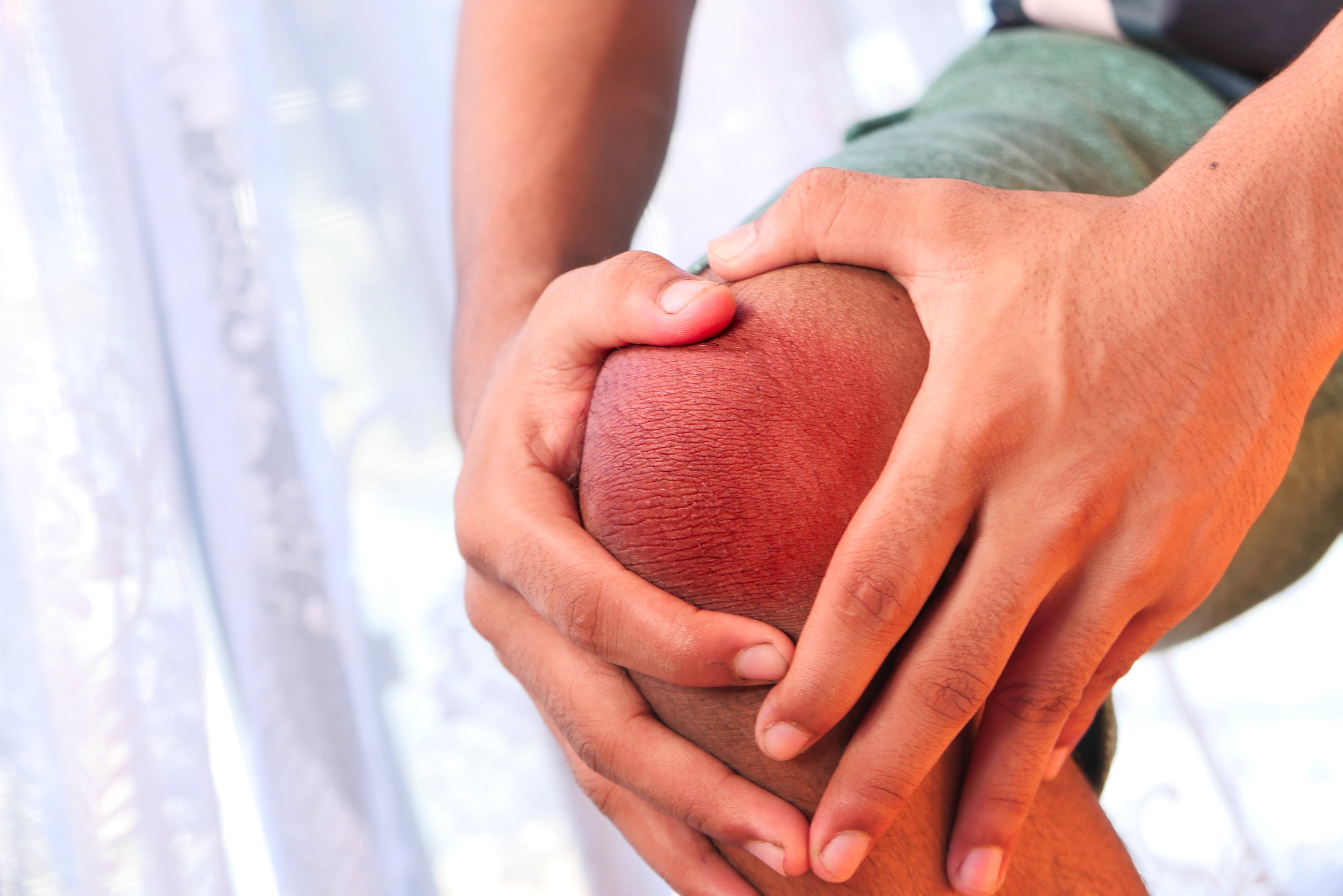
Patellofemoral pain refers to discomfort around or behind the kneecap (the patella), especially during activities that load the joint: running, jumping, climbing stairs, or even prolonged sitting. For teenagers, this pain often develops gradually and may come and go with activity level.
Rather than being caused by a single injury, PFPS is typically the result of overuse, muscular imbalance, and alignment issues that affect how the kneecap tracks along the femur.
Why Is Patellofemoral Pain So Common in Teenagers?
Growth Spurts and “Growing Pains”
During adolescence, bones often grow faster than muscles and tendons can adapt. This mismatch can lead to tightness in the quadriceps and hamstrings, altering the way the knee joint functions.
Teens who grow several inches in a short period may suddenly experience:
- Increased knee strain
- Loss of flexibility
- Reduced muscular control
All of this can affect the stability of the patellofemoral joint and lead to pain.
Alignment Issues
Structural alignment varies widely in teenagers, especially while the body is still developing. Some alignment patterns increase stress on the kneecap, such as:
- Flat feet (overpronation)
- Knock knees (valgus alignment)
- Rotational differences in the hips or femur
These alignment tendencies can cause the patella to shift slightly out of its natural groove, creating pain with movement.
Muscle Weakness or Imbalance
The quadriceps, hip abductors, and gluteal muscles work together to maintain proper knee alignment. When one of these groups is weak or tight (something that’s very common in growing teens), the knee may not track smoothly.
For young athletes, this imbalance can be amplified by repetitive motions like running, jumping, or pivoting.
Increased Activity Levels
Sports like basketball, soccer, volleyball, dance, and track put a heavy load on the knees. Combine that with rapid growth or weak supporting muscles, and patellofemoral pain becomes much more likely.
Signs and Symptoms to Watch For
Symptoms may vary, but most teens describe:
- Aching pain behind or around the kneecap
- Discomfort during running, squatting, or stair use
- Pain after long periods of sitting
- Occasional popping or a feeling of instability
If the pain continues for several weeks or limits activity, it’s time for an evaluation.
What You Can Do to Help Your Teen
Rest and Activity Modification
Temporarily reducing high-impact activities can help calm inflammation. Substitute low-impact exercises like cycling or swimming until symptoms improve.
Strengthening and Stretching
A physical therapy program that focuses on quadriceps strengthening, hip and glute activation, and hamstring and calf stretching can significantly reduce symptoms by improving the way the knee tracks.
Foot Orthotics for Better Alignment
For many teens, the root of their patellofemoral pain begins at the feet. Overpronation or poor arch support can cause the knee to collapse inward, increasing stress on the patellofemoral joint.
Custom foot orthotics can help:
- Improve alignment
- Reduce strain on the knee
- Support proper movement patterns
- Provide long-term relief
Knee Bracing (When Needed)
For teens who need additional support, certain patellofemoral braces can help guide the kneecap and reduce discomfort during activity. Our practitioners can evaluate whether bracing is appropriate.
Education and Prevention
Teaching teenagers how to warm up properly, strengthen their hips, and use supportive footwear can prevent flare-ups and reduce the risk of chronic knee issues.
How Atlantic Coast Prosthetics and Orthotics Can Help
With locations in Wilmington, Whiteville, and Shallotte, Atlantic Coast Prosthetics and Orthotics makes care convenient for busy families throughout Southeastern North Carolina. Our practitioners combine years of expertise with compassionate, personal service to ensure every teenager gets a tailored treatment plan.
If your teen is struggling with knee pain or alignment issues, we’re here to help. Contact Atlantic Coast Prosthetics and Orthotics today to schedule an evaluation and take the first step toward relief and better mobility.